thumbnail image

Adam R. Hemmings

Preserving the Past ~ Shaping the Present ~ Imagining the Future

  • Home
  • About Me
  • Explore With Me 
    • Archaeology & Research
    • Production & Curation
    • Community Building & Activism
  • Work With Me
  • …  
    • Home
    • About Me
    • Explore With Me 
      • Archaeology & Research
      • Production & Curation
      • Community Building & Activism
    • Work With Me

Adam R. Hemmings

Preserving the Past ~ Shaping the Present ~ Imagining the Future

  • Home
  • About Me
  • Explore With Me 
    • Archaeology & Research
    • Production & Curation
    • Community Building & Activism
  • Work With Me
  • …  
    • Home
    • About Me
    • Explore With Me 
      • Archaeology & Research
      • Production & Curation
      • Community Building & Activism
    • Work With Me

Adam R. Hemmings

Preserving the Past ~ Shaping the Present ~ Imagining the Future

Excavations - Adam's Site

All
Productions
Excavations
product image

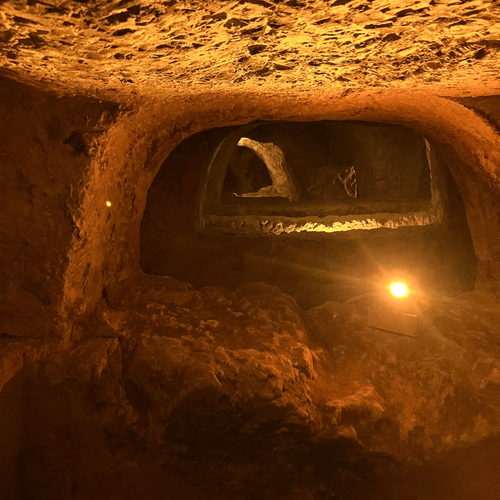
Malta – Rabat Catacombs (St Paul’s Grotto Complex, beneath the Wignacourt Museum) (2025)

The Rabat Catacombs form part of the Roman necropolis of ancient Melite, a subterranean funerary complex beneath the Wignacourt Museum, dating to the 3rd century and theorised to include Punic, Roman, and Early Christian elements. The hypogea preserve diverse tomb typologies, ritual features including an agape table, and evidence of longue durée reuse, including as World War II air raid shelters. During a research visit to this site, I identified and photographed a before only noted inscription carved into the catacomb walls, likely Phoenician/Punic in origin. My focus was on photographic documentation and preliminary linguistic analysis in the context of cross-cultural funerary practice in the central Mediterranean. A short research note presenting the translation and its contextual significance is forthcoming.

product image

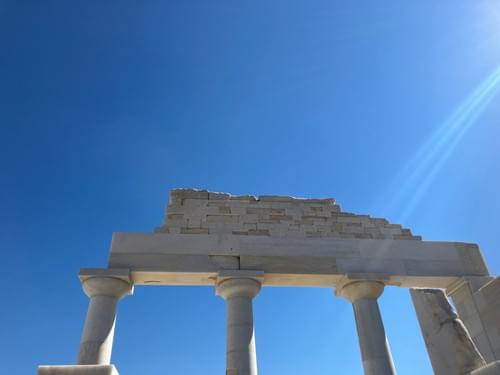
Greece – Despotiko (2024)

Despotiko is an uninhabited Cycladic island whose strategic position in the Aegean made it a significant node in ancient maritime trade. Excavations have revealed a major late Archaic sanctuary, likely dedicated to Apollo, with evidence of sustained occupation from the Archaic through Roman periods and material connections spanning the Eastern Mediterranean. During a visit to the site, I observed ongoing restoration techniques and conservation strategies. In parallel, I undertook preliminary research into Egyptian scarabs in Greek contexts, examining two examples in existing scholarship (one attributable to the Second Intermediate Period and the other bearing iconography associated with Thutmose III). This research forms the basis of a short paper currently in development, exploring Egyptian material culture and its transmission through Aegean trade networks.

product image

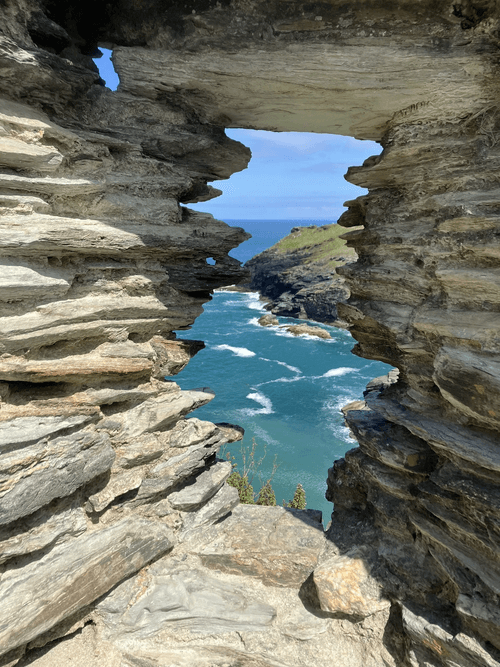
UK - Cornwall (2024)

Cornwall preserves a layered heritage landscape spanning Late Antique trade, medieval occupation, industrial archaeology, and centuries of myth-making and heritage construction. Three sites were visited as part of independent field research into how landscapes accumulate and transform meanings across time. At Tintagel Castle, I examined evidence of high-status post-Roman occupation and long-distance Mediterranean trade connections, observing ongoing conservation of 5th–6th-century remains alongside the site's complex Arthurian associations. At St Nectan's Glen and Kieve, I documented modern ritual use and examined the Victorian origins of the hermitage narrative, forming a case study in how sacred meaning is constructed and layered onto landscape. At Kennall Vale, I observed the preservation challenges facing industrial ruins within an ecologically sensitive environment. Together these sites clarify the processes by which landscapes become heritage through excavation, storytelling, conservation, and the slow amassing of human significance.

product image

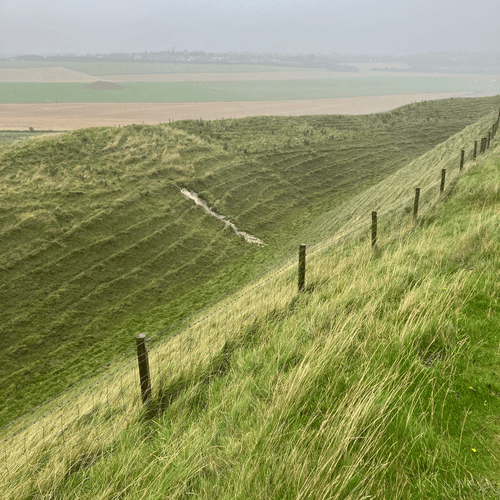
UK - Dorset (2023)

Dorset preserves a layered archaeological landscape, from the monumental Iron Age earthworks of Maiden Castle to the remains of Roman urban life at Durnovaria and the early medieval heritage scattered across its rural churches. The county offers a compressed encounter with British early history, Roman occupation, and post-Roman change. During a field visit to key sites, I walked the area of Maiden Castle, examining its complex history of occupation and defence, and visited the Roman Town House in Dorchester, where preserved mosaic floors and domestic architecture offer direct evidence of Romano-British urban life. The most striking encounter was at the remote church of St Mary, Melbury Bubb, home to a remarkable 10th-century Anglo-Saxon font carved from the inverted base of a cross. Its frieze of zoomorphic figures (including a stag, lion, dolphin, and intertwined beings) reflects a stylistic blend of Scandinavian and Northumbrian carving traditions, raising compelling questions about the persistence of pre-Christian symbolism within early Christian material culture.

product image

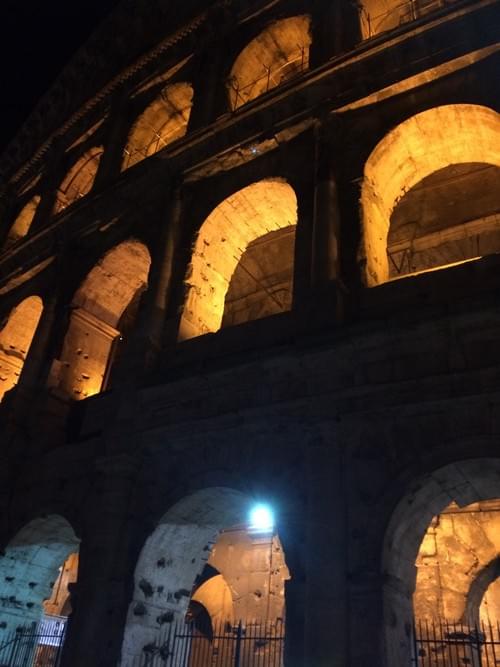
Italy - Rome (2019)

Rome’s archaeological landscape represents one of the most concentrated intersections of ancient cultures in the world, where Egyptian, Near Eastern, Greek, Etruscan, and Roman material traditions converge in its museums and monuments. For a researcher working across archaeology, ancient Near Eastern studies, and heritage, the city offers unparalleled first-hand access to primary material. At the Arch of Titus, I examined relief depictions of artefacts looted from the Second Temple, one of the most significant visual records of its obliteration. At the Vatican Museums, objects examined included the Stele of Iahmes (18th Dynasty), the Funerary Stele of Ankh-Hapy (27th Dynasty, Aramaic inscription), and Palmyrene funerary reliefs of exceptional excellence. Most striking was a terracotta sculpture depicting the Dying Adonis (c. 250–200 BCE, Tuscania), bearing a remarkable visual correspondence to Michelangelo's Pietà and suggesting iconographic continuity between ancient Near Eastern dying-god traditions and Christian representations of the dead Christ. The Ara Pacis raised further questions about monumental reconstruction in the service of modern politics.

product image

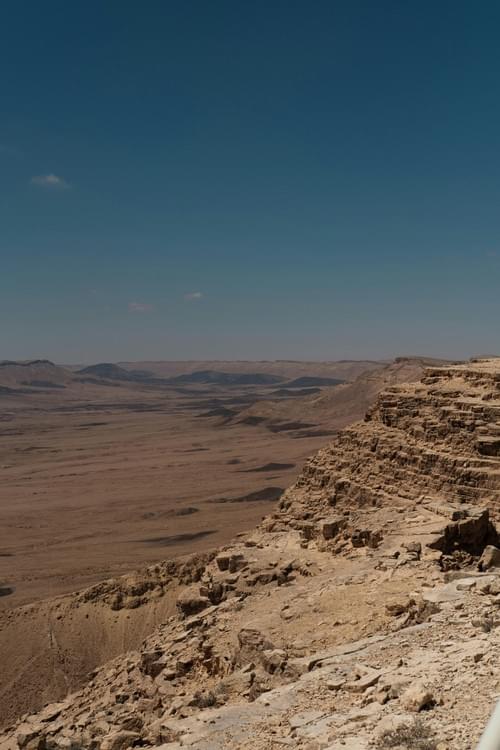
Israel – Negev Desert (2012)

The Negev Desert preserves a landscape of profound historical complexity, from ancient Nabataean trade ways and biblical pastoral traditions to the living heritage of the Bedouin communities whose presence has shaped the region across millennia. The desert environment itself embodies the intersection of material survival, oral culture, and collective memory that defines non-sedentary life in ancient and modern South-West Asia. During a visit to the area, I worked with a Bedouin community, observing and discussing their living traditions of oral storytelling, and taking part in camel husbandry, tent construction, and desert survival. These observations have informed later thinking on comparative nomadism in the ancient Near East, particularly the relationship between oral transmission, material culture, and cultural memory in pastoral groups, and point toward potential future inquiry into biblical and contemporary nomadic traditions.

product image

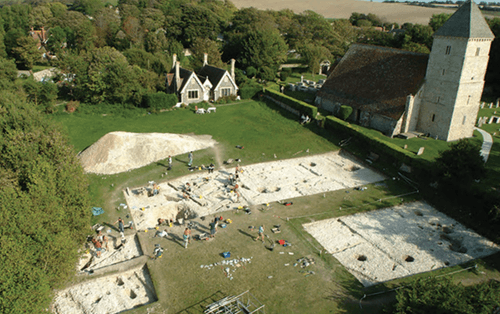
UK – Bishopstone Valley Excavation (2005, University of Kent)

Bishopstone Valley, East Sussex, preserves a significant Anglo-Saxon archaeological complex centred on the settlement and cemetery associated with St. Andrews Church. The site encompasses evidence of late Romano-British activity, a 9th–12th-century Saxon settlement, and burials of the Late Saxon period, making it an important location for understanding continuity and change in early medieval Sussex. As an excavator with the University of Kent’s Bishopstone Valley Archaeological Project under the direction of Dr. Gabor Thomas, I contributed across many aspects of the excavation over the summer of 2005. Work included geophysical survey and earthwork identification, excavation of the outer village wall, recording and planning of context excavations, human remains excavation and documentation, and the sampling and processing of artefacts and environmental remains through wet-sieving and flotation.

product image

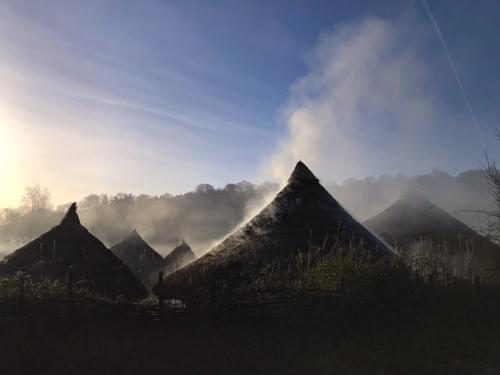
UK – Butser Ancient Farm (2004)

Butser Ancient Farm, Hampshire, is one of Britain’s foremost experimental archaeology sites, reconstructing Iron Age domestic and agricultural life through living investigations. Its hands-on approach to the ancient past makes it an ideal environment for foundational archaeological training, grounding technique in direct engagement with the material record. In 2004, I completed a Basic Archaeological Excavation and Recording Techniques certification at the site under Steven Dyer and Joyce Herve. Training encompassed the full range of core field skills: artefact identification and dating, stratigraphic excavation of layers and topographies, test trenching, site surveying, section and plan sketching, photographic documentation, finds processing, and context identification.

product image

USA – Four Corners Region (2003, American Museum of Natural History)

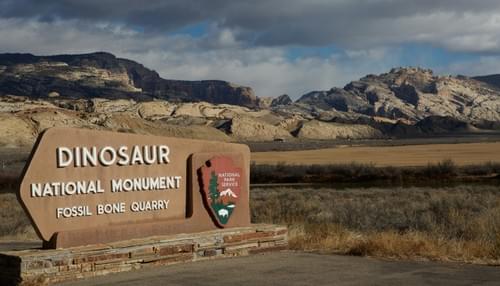
The Four Corners region of the American Southwest preserves one of the world’s richest repositories of Upper Jurassic fossil material, offering exceptional insight into ancient ecosystems predating human presence in the Americas by hundreds of millions of years. The landscape itself provides a formative encounter with deep time and the material evidence of life’s long history. As a programme participant with the American Museum of Natural History in the summer of 2003, I contributed to palaeontological excavation across the area, gaining foundational experience in excavation techniques, fossil extraction and preparation, specimen cleaning and documentation, and the preliminary interpretation of faunal assemblages. While my later work has focused on human history and cultural inheritance, this early engagement with stratigraphic excavation and material analysis provided an enduring grounding in field methods that have informed my archaeological practice ever since.

  • Adam R. Hemmings

    is an archaeologist, producer-curator, and community builder
    Come Explore With Me

Copyright © 2026 Adam R. Hemmings. All rights reserved.

    Cookie Use
    We use cookies to ensure a smooth browsing experience. By continuing we assume you accept the use of cookies.
    Learn More