
Go Back
Italy - Rome (2019)
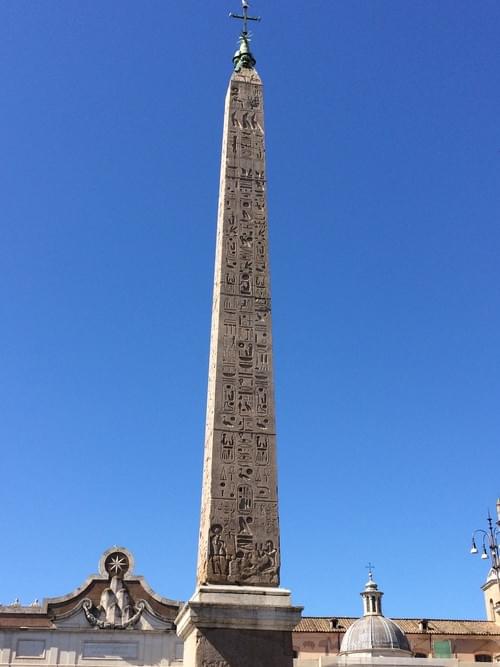
Rome’s archaeological landscape represents one of the most concentrated intersections of ancient cultures in the world, where Egyptian, Near Eastern, Greek, Etruscan, and Roman material traditions converge in its museums and monuments. For a researcher working across archaeology, ancient Near Eastern studies, and heritage, the city offers unparalleled first-hand access to primary material.
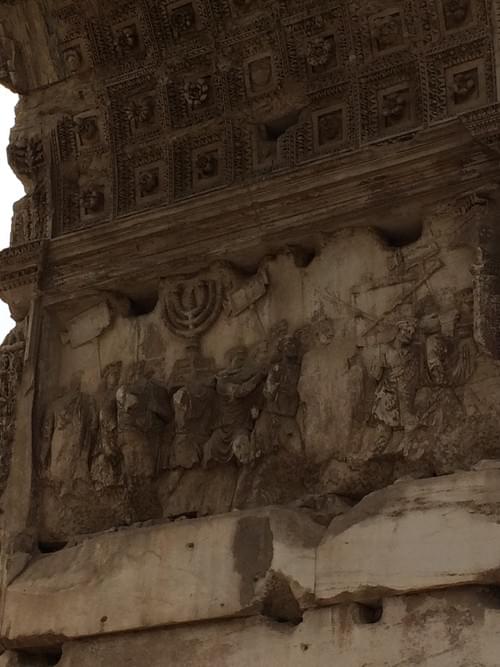
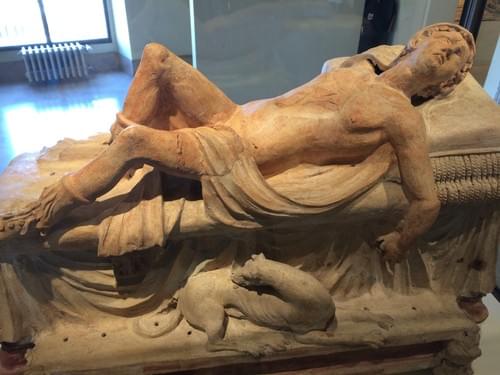
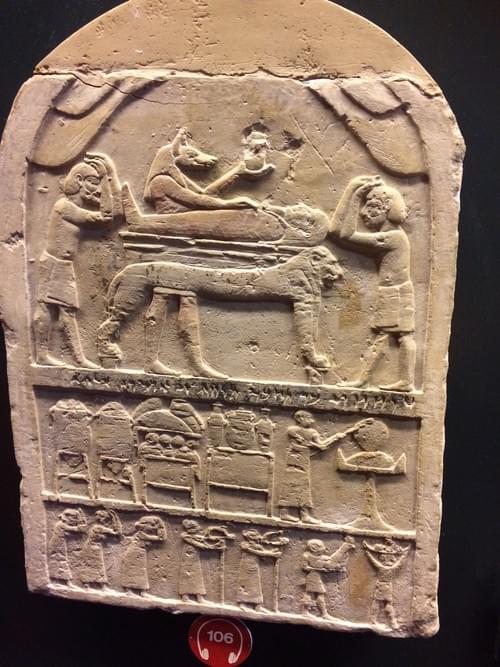
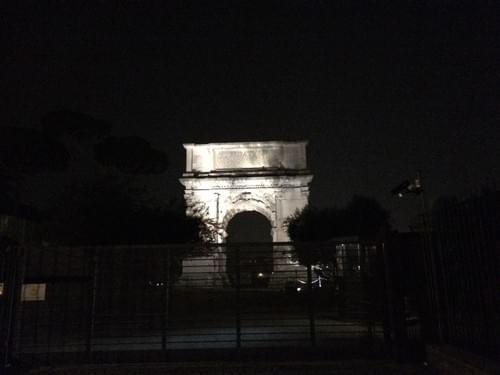
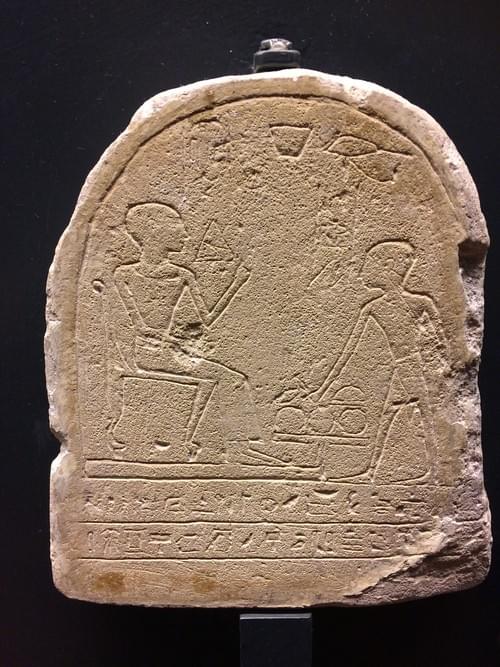
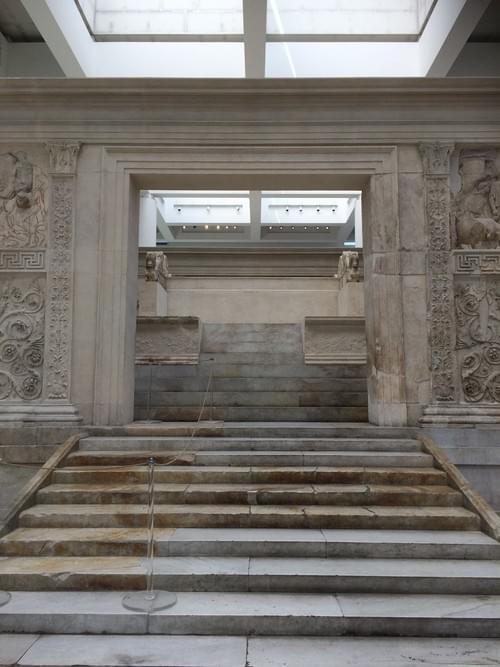
At the Arch of Titus, I examined relief depictions of artefacts looted from the Second Temple, one of the most significant visual records of its obliteration. At the Vatican Museums, objects examined included the Stele of Iahmes (18th Dynasty), the Funerary Stele of Ankh-Hapy (27th Dynasty, Aramaic inscription), and Palmyrene funerary reliefs of exceptional excellence. Most striking was a terracotta sculpture depicting the Dying Adonis (c. 250–200 BCE, Tuscania), bearing a remarkable visual correspondence to Michelangelo's Pietà and suggesting iconographic continuity between ancient Near Eastern dying-god traditions and Christian representations of the dead Christ. The Ara Pacis raised further questions about monumental reconstruction in the service of modern politics.
At the Arch of Titus, I examined relief depictions of artefacts looted from the Second Temple, one of the most significant visual records of its obliteration. At the Vatican Museums, objects examined included the Stele of Iahmes (18th Dynasty), the Funerary Stele of Ankh-Hapy (27th Dynasty, Aramaic inscription), and Palmyrene funerary reliefs of exceptional excellence. Most striking was a terracotta sculpture depicting the Dying Adonis (c. 250–200 BCE, Tuscania), bearing a remarkable visual correspondence to Michelangelo's Pietà and suggesting iconographic continuity between ancient Near Eastern dying-god traditions and Christian representations of the dead Christ. The Ara Pacis raised further questions about monumental reconstruction in the service of modern politics.
